Landing Your Dream Home: How an Architect Transforms Ideas into Reality
Landing Your Dream Home: How an Architect Transforms Ideas into Reality
Blog Article
Architectural design is a crucial aspect of constructing buildings that not only serve functional purposes but also embody aesthetic appeal. This field blends creativity with engineering principles, leading to spaces that meet the needs of inhabitants while respecting environmental considerations. In St. Louis, numerous architectural design firms stand out for their innovative approaches and commitment to quality at learn more. The essence of architecture involves more than just creating structures; it’s about crafting experiences through spatial arrangements. This article will explore different aspects of architectural design, including how to select the right firm, factors affecting costs, and innovative trends transforming the industry. Architectural design encompasses a wide array of elements, from conceptual sketches to final structures. Essentially, it represents the process of planning and designing spaces—everything from residential homes to large commercial buildings. Architects not only consider the aesthetics or the style of a building but also functional requirements, spatial efficiency, and sustainability measures. A well-executed design can significantly impact the usability and appeal of a space, thus influencing social interactions and overall quality of life. Architects perform multifaceted roles in the design process. They start by engaging with clients to understand their vision, needs, and budget constraints. After gathering this information, the architect uses 3D renderings and floor plans to visualize the design, facilitating better communication and adjustments. They also coordinate with engineers and builders on construction sites to ensure that the design is faithfully executed, adhering to relevant codes and regulations. The operational dynamics of an architectural firm can vary, with some focusing on interior architecture, while others may specialize in public buildings or industrial spaces. Making the right choice for your architectural firm can significantly influence the outcome of your construction venture. It's essential to take various factors into account to ensure your decision is well-informed. Start by investigating firms that possess a solid portfolio, highlighting their track record in completing projects that resemble your own. Additionally, delve into their industry reputation by reading client reviews and testimonials. Meeting face-to-face with the architects is crucial; this interaction helps you assess their communication skills and whether they align with your project's vision. During your initial meetings, make sure to cover crucial topics such as project timelines, budgets, and the firm's design philosophy. A trustworthy architectural firm should be upfront about any potential obstacles and capable of proposing viable solutions. In the end, a successful collaboration depends on establishing mutual trust and understanding, paving the way for an effective transition from the design phase to construction. The financial aspect of architectural design can vary widely based on several factors, including the project’s size, complexity, and the firm's reputation. Typically, fees may be calculated as a percentage of the total construction cost, a flat fee, or hourly rates. In St. Louis, top architectural design services often require a budget that aligns with your project's scope, so it’s wise to gather detailed quotes from multiple firms for comparison. Be mindful that opting for the cheapest service may not always yield the best results. A well-known architecture firm with experience may save you money down the road by avoiding costly design errors and ensuring a smooth construction process. Think long-term and evaluate the potential return on investment offered by various architectural options. A well-rounded approach when working with architects can result in a more satisfying experience and better outcomes for your project.Steps to Successful Architectural Design
Understanding Architectural Design
Key Responsibilities of Architects
Choosing the Right Architectural Design Provider
The Cost of Architectural Design Services
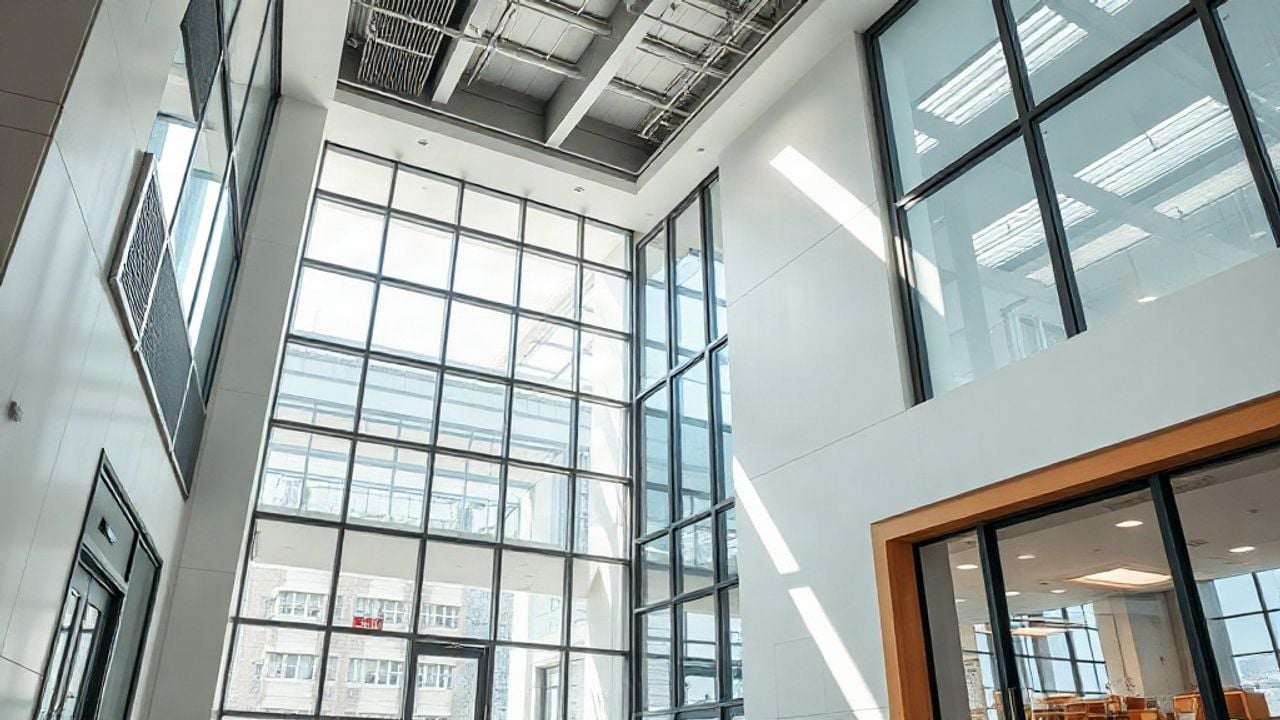 St. Louis top Architectural Design Servicesarchitectural design
Tips for a Successful Architectural Design Experience
Architectural Design
Frequently asked questions
What is Architectural Design?
Architectural design involves the process of creating and planning spaces, ensuring they fulfill aesthetic, functional, and structural requirements while adhering to codes and regulations.
How do I choose an Architectural Design provider?
Choosing a provider requires evaluating their portfolio, seeking recommendations, reviewing client testimonials, and assessing their communication style during consultations.
How much does Architectural Design cost?
Costs can vary depending on project size and complexity, with fees typically calculated as a percentage of the total construction cost, flat fees, or hourly rates.
What services do architectural firms typically provide?
Architectural firms provide services such as conceptual design, detailed planning and documentation, project management, and oversight during the construction phase.
What should I look for in an architect?
Look for an architect with relevant experience, a strong portfolio, good communication skills, and a design approach that aligns with your vision and preferences.
How long does the architectural design process take?
The duration of the architectural design process can vary significantly depending on project complexity and size, typically ranging from several weeks to several months.
Architectural design is an intricate field that merges creativity and functionality while playing a vital role in our environments. By understanding the essentials, including selecting the right provider and evaluating costs, you can embark on your construction journey knowledgeably.
As you pursue your architectural dreams, remember that effective communication and thorough research can significantly enhance your project's success, leading to a space that meets both your needs and aspirations.